
QSA Members Forum
For Masonic Research
York and the York Legend
Serbian Translation
of the
 York and the York Legend
Collected and translated from English to Serbian by Karlo Hameder

Imajte na umu: ova stranica je optimizovana za prikaz u Google Chrome (faktor zumiranja 150%).
Please note: this page is best viewed with Google Chrome (Zoomed at 150%)
|
|
EDITION SOURCES OF FREEMASONRY
Y O R K AND THE YORK LEGEND
TRANSLATED BY: KARLO HAMEDER BOOK No. 9 |
|
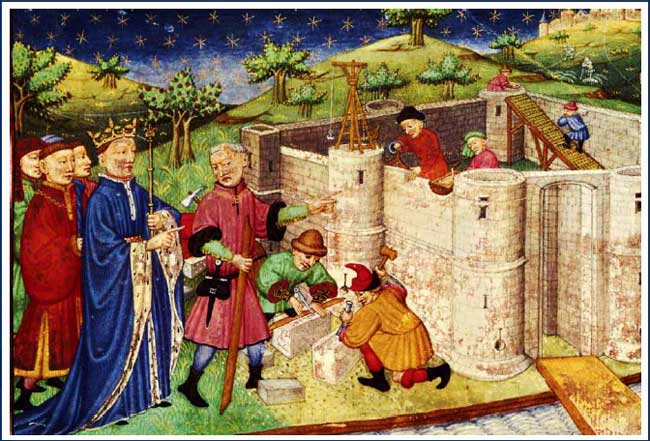
Jork i Legenda Jorka prevod: Karlo Hameder Izvor: The Book of Old Charges of Freemasonry, pp. 5-26 Rockford Lodge No. 469, Free and Accepted Masons Legenda Jorka Zidarski ceh Jorka potiče, navodno, iz 79. godine n.e. iz vremena Agrikole, kada je izgrađen starorimski hram. Tesarski ceh, osnovan 626. godine n.e., podigao je drvenu crkvu po uzoru na Mojsijev tabernakl. Godine 765. slavnog učitelja liberalnih nauka i umetnosti iz Jorka po imenu Alkun (Alcuin) angažovao je nadbiskup Jorka da, zajedno sa sveštenikom Enbaldom (Aenbald) nadgleda izgradnju nove crkve u tom gradu. Na osnovu tog angažmana, priznali su ga za Glavnog Majstora graditeljskih radova, očekujući od njega da budu onakvi kakvi su bili pod Hiramom Abifom. Oni koje to zanima treba da znaju da postoji jedna pesma koju je taj učeni arhitekta napisao, a koja opisuje spomenuti zadatak. Narednih godina, Alkuna su nagovorili da ode u Ahen (Aachen) u severnoj Francuskoj u službu Svetom rimskom caru Karlu Velikom gde se nije našao samo na čelu nove dvorske škole već je caru davao i savete u vezi gradnje nove Kapele, pa otud i drugo ime mesta Eks-la-Šapele (Aix-la-Chapelle). Ono što treba znati je da Alkun u jednom svom pismu upućenom caru opisuje to novo mesto bogosluženja kao još jedan "Solomonov hram". Štavište, u jednom alegorijskom delu koje se bavi glavnim članovima dvora Karla Velikog, Alkun se spominje kao Flak (Flaccus) ili Manon Grekus (Mannon Graecus). Grad Jork, na severu Engleske poznat je po svojoj tradicionalnoj vezi sa Slobodnim zidarstvom u kraljevini. Nema teme u istoriji Slobodnog zidarstva koja je toliko zaokupljala pažnju istraživača Masonstva ili davala priliku za toliku raspravu o navodnoj pojavi Slobodnog zidarstva u desetom veku u gradu Jorku kao važnom mestu okupljanja Nauka zidarstva godine 926., organizovanja Generalne skupštine i usvajanja Konstitucije. U toku čitavog osamnaestog i većeg dela devetnaestog veka, Bratstvo je, u globalu, prihvatalo sve te izveštaje kao izvorne delove autentične istorije. U novije vreme, otkriće mnogih starih rukopisa usmerilo je napore takvih učenjaka kao što su Hugan (Hughan), Vudford (Woodford), Lajon (Lyon) i drugi, ka kritičkom ispitivanju rane istorije Slobodnog zidarstva, a ono što se dešavalo u Jorku posebno je privuklo njihovu pažnju. Treba se baviti i tradicijom i istorijom, te u tom cilju predlažemo da započnemo sa legendama o Slobodnom zidarstvu u Jorku, koje se nalaze u starim rukopisnim Konstitucijama, a zatim da pređemo na pregled rezultata nedavnih istraživanja. Legenda koja povezuje poreklo engleskog Slobodnog zidarstva u Jorku 926. godine ponekad se naziva i Legenda Jorka, a ponekad Legenda o Atelstanu (Athelstane), zbog Generalne skupštine, za koju se veruje da je tamo održana za vladavine toga kralja. Ponekad se naziva i Legendom o Idanu (Edunn), jer je spomenuti Princ trebao da bude na čelu Nauka i on ih je sazvao kako bi sačinio Konstituciju. Najranija sačuvana rukopisna Konstitucija je drevna poema opšte poznata kao Rukopis Halliwell ili Regius, čiji bi nastanak, s dobrim osnovama, mogao da se smesti u godinu 1390. U tom delu nalazimo sledeću verziju legende. Nauk u Albion prispe, zboriš ti nama, U dane dobroga kralja Atelstana; Načini on dvoranu i odmorište, Visoke hramove, svog Boga stanište, Da ga vesele u sve dane naredne, I govori Bogu molitve obredne. Dobri gospar nauk voleo je tako, Da naumi da ga osnaži svakako, Zbog grešaka raznih u nauku otkriv; Po zemlji on svojoj razasla poziv, Svim zidarima plemenitog nauka, Da preda njim se pojave bez jauka, Te dopunama mudrim isprave mane, Savetima dobrim preduprede stanje. Skupština je tad' mogla biti sazvana Od razne gospode u zemlji sazdana, Od vojvoda, erlova i barona svih, Vitezova i zemljaša mnogovrsnih, A i građanstva svakolikog iz grada tog, Istog stepena kao i položaja svog; Bili su prisutni svi do jednog uvek, O nauku zidarskom da brinu navek. Tražeći, smislili su pameću svojom; Kako da učine upravu divnijom. Petnaest članova osmisliše oni, Od tih petnaest skovaše se zakoni. Za one kojima ovaj starinski (poetski) jezik nije blizak, sačinjen je prevod na moderni engleski (čiji prevod bi zvučao ovako): "Ovaj zanat dođe u Englesku, kako ti kažem, u doba vladavine dobrog kralja Atelstana; da se zabavlja i danju i noću i da štuje svog Boga svom svojom silom. Ovaj dobri gospodar mnogo je voleo taj zanat, pa je naumio da ga u svemu i na sve moguće načine osnaži i (oslobodi) raznih grešaka koje je otkrio u zanatu. U sve zemlje razasla on poziv svim zidarima da dođu pravo do njega, da dobrim savetima isprave te nedostatke, ako mogu. Tada on dopusti da se održi skupština raznih gospara različitih rangova: vojvoda, erlova, barona, a takođe i vitezova, zemljoposednika i mnogih drugih, kao i viđenijih građana toga grada i oni se pojave u svom svojstvu; bili su tamo, svi do jednog da bi doneli zakone o mestu tih zidara (u društvu). Mudrošću su svojom tražili način kako da ga odrede, pa su tako smislili petnaest članova i petnaest tačaka". Sledeći dokument u kojem nalazimo ovu legendu poznat je kao Rukopis Kuk (Cooke) čiji se nastanak datira godinom 1490. Detalji su ovde mnogo osmišljeniji nego u Rukopisu Halivel (Halliwell). Evo jednog pasusa koji se odnosi na legendu: "Nakon toga posta poštovani kralj Engleske imenom Atelstan, a najmlađi mu sin voleše mnogo nauku Geometrije, te je znao dobro, kao i sami zidari, da je njihov zanat, koji rukama obavljaju, primenjena nauka Geometrije. Stoga nauk on primi i savete usvoji i nauči praktični deo tog nauka, pored znanja koje iz knjiga beše stekao, jer u spekulativnom delu majstor on beše te voleše zidarstvo i zidare, a on sam zidar postade. I dodeli im dužnosti i običaje koji se sada primenjuju u Engleskoj i drugim zemljama. I odredi im razumnu nadnicu. I od kralja otkupi pravo okupljanja u vreme koje im najviše odgovara da bi se dogovarali. O dužnostima, običajima i skupovima uči se iz Knjige dužnosti, gde su i zapisani, te ih ostavljam, za sada". To su redovi 611 do 642 Rukopisa. Nakon toga, od reda 688. do reda 719., koji su, kako se čini, uzeti iz onoga što se gore naziva Knjigom dužnosti, legenda se ponavlja ovim rečima: "Na ovaj način je navedenu umeće u zemlji Egiptu započeo gorenavedeni majstor Euglata (Euclid), i tako je ono išlo od zemlje do zemlje, od kraljevstva do kraljevstva. Mnogo leta nakon toga, u doba kralja Atelstana, negdašnjeg kralja Engleske, uz saglasnost njegovog Saveta i drugih gospodara zemlje, a na osnovu velikih mana kojima zidari behu podložni, izvesna pravila behu im određena. Jednom godišnje ili svake godine treće, kad kralj ili veliki gospodari zemlje i cele zajednice potrebu osete, majstori iz svih zemalja i oblasti trebali bi da budu sazvani na skup svih majstora i saradnika navedene umetnosti. A na takvim konferencijama oni koji su proizvedeni u majstore treba da se ispitaju i preispitaju kroz zapisane dolenavedene članove da se vidi da li su sposobni i dovoljno vešti da služe gospodare na njihovu korist i na čast gornjeg nauka". Sedamdeset godina kasnije, 1560. godine, napisan je Rukopis Lansdowne, a u njemu nalazimo dalji razvoj legende, a princ Edvin (Edwin) se po prvi put uvodi po imenu. Taj rukopis glasi ovako: "Ubrzo nakon smrti Sv. Albona, Englesku zahvatiše razni ratovi iz različitih zemalja, tako da je dobro vladanje zidara narušeno, a vladavina kralja Adilstona završena. U njegovo vreme u Engleskoj bio je jedan vrstan kralj, koji je doneo toj zemlji mir i izgradio mnoštvo velikih dela i zgrada. Zbog toga je jako voleo zidare, jer je imao sina zvanog Edvin, koji je voleo Zidare mnogo više nego što je to činio njegov Otac, i toliko se bavio Geometrijom, da je mnogo voleo da dođe i razgovara sa Zidarima i uči Nauk od njih. A kasnije, zbog ljubavi prema Zidarima i prema Nauku postao je Zidar u Vindzoru (Windsor), a od kralja, njegovog oca, dobio Povelju i zadatak da svake godine sazove Skupštinu, u okviru Kraljevstva na bilo kom mestu u Engleskoj gde će yidari, među sobom, da isprave greške u vezi Nauka, te im on održi Skupštinu i proizvede tamo Zidare i dodeli im Dužnosti i nauči ih manirima i zapovedi da ih se drže za sva vremena". I objavio im je Povelju i zadatak da drže svoju Skupštinu i naložio da treba da se obnavlja od kralja do kralja, a kada se Skupština sastala, pozvao je sve stare i mlade Zidare koji su imali bilo kakav dokument ili sporazum, koji su ispostavljeni gdegod su postali Zidari, da treba da ih prikažu i ako su neki takvi dokumenti na francuskom, a neki na grčkom ili hebrejskom, a neki na engleskom ili nekom drugom jeziku, treba da se pokaže da je namera u svih ista; tako je izradio knjigu o tome kako se taj vrstan Nauk začeo, a on sam zahtevaše, pa se to i izvršilo, da se ona pročita ili izgovori kada se neki Zidar prima da bi tako dobio Dužnosti, a od toga dana do danas, maniri Zidara su se održali u tom obliku, tako da bi se ljudi po tome ravnali. Štaviše, na raznim Skupštinama određivahu se različite Dužnosti po najboljim preporukama Majstora i Pomoćnika". U svim narednim rukopisima sadržaj legende je isti kao i u Rukopisu Lansdowne; a većina se čini da je puka kopija istog ili verovatno nekog originala od kojeg su sve te kopije potekle. Anderson je 1723. godine objavio prvo izdanje Konstitucije, u kojoj je, kako kaže, istorija Bratstva Slobodnih zidara, "prikupljena iz njihove opšte evidencije i njihove verne tradicije koja se negovala u toku mnogih vekova." "Legenda je preuzeta, kako kaže, iz "određene evidencije Slobodnozidarskih zapisa pisanih za vladavine kralja Edv arda IV.", "čiji su rukopisi" tvrdi Br:. Preston"bili u posedu čuvenog Ilajasa Ašmola (Elias Ashmole)." Kako su stari rukopisi, sve donedavno, zaista bili uglavnom nedostupni Bratstvu, a malo ih je otkriveno, i to relativno kasno, Andersonovom publikovanju legende, a potom i Br:. Prestona, pripisujemo njegovu opšte prihvaćenost pre više od jednog veka. Oblik Legende, koji je Anderson dao u svom prvom izdanju, pomalo se razlikuje od onoga u njegovom drugom izdanju. U prvom, datum nastanka stavlja u 930. godinu, a u drugom u 926.: u četvrtom, sabor u Jorku naziva Generalnom skupštinom a u drugom Velikom Ložom. Sada, pošto se moderno i univerzalno prihvaćeni oblik legende u oba aspekta slaže sa ovom poslednjom izjavom, a ne i sa prvom, moramo zaključiti da je drugo izdanje, i sledeća dva, Entika (Entick) i Nortauka (Noorthouck), koji samo ponavljaju Andersona, obezbedili popularnost legende Jorka. U drugom izdanju Konstitucije (strana 63), objavljenoj 1738. god. Anderson legendu predstavlja sledećim rečima: U svim starim Konstitucijama navodi se na sledeći način: Preston je prihvatio legendu i opisao je u svom drugom izdanju (strana 198) sledećim rečima: Takva je Legenda Jorka, kako ju je nauk prihvatio i kako je nalazimo u svim starim rukopisima, barem od četrnaestog veka do današnjih dana, zvanično potvrđena 1723. godine od strane Andersona, istoriografa Velike Lože, a ponovljena od strane Brr:. Prestona, Olivera, i gotovo svih kasnijih masonskih pisaca. Da li je održana Skupština Slobodnih zidara 926. godine ili oko nje, pod patronatom ili uz dozvolu kralja Atelstana? Ne postoji ništa u ličnosti niti političkom ponašanju Atelstana što bi isključilo takvu mogućnost ili čak verovatnoću. Bio je liberalan u svojim stavovima, poput njegovog deda velikog Alfreda; bio je promoter civilizacije; unapređivao je učenje, izgradio mnoge crkve i manastire, podsticao prevođenje Svetog pisma i dao povelje mnogim operativnim društvima. U toku njegove vladavine verski giklani, cehovi ili bratstva bili su ugrađeni u zakone. Stoga nema ničeg neverovatnog u pretpostavci da je proširio svoju zaštitu i na operativne zidare. Viševekovno neprekidno postojanje tradicije održavanja takve Skupštine, zahteva da bi oni koji to negiraju trebali da iznesu neki prihvatljiviji razlog za svoje mišljenje od onog što su do sada dali. "Neverica", kaže Voltaire, "temelj je istorije", ali se mora priznati da se dešava da, dok višak lakovernosti često zamenjuje stvarnost mitom, tvrdoglava neverica istinu zamenjuje fikcijom. Velečasni Mudford (Moodford), u jednom eseju o povezanosti tvrđava sa Istorijom slobodnog zidarstva u Engleskoj, ubačenog u Huganov neobjavljeni zapis o nauku, kritički raspravlja o ovoj temi i dolazi do sledećeg zaključka: "Ne vidim razloga da se odbaci tako stara tradicija da su pod Atelstanom operativni zidari stekli njegovo pokroviteljstvo i sastali se na Generalnoj skupštini." I doktor Maki (Mackey) je to prihvatio. Da li je Edvin, brat Atelstana, bio taj koji je sazvao Skupštinu? O ovom se pitanju već govorilo u članku o Edvinu, gdje se predlaže da Edvin na koga se aludira u legendi nije sin ili brat Atelstana, već Edvin, kralj Nortumbrije (Northumbria). Doktor Maki (Mackey) je verovao da je Fransis Drejk (Francis Drake) u svom govoru pred Velikom Ložom Jorka 1726. godine, bio prvi koji je javno izneo ovo mišljenje; ali to čini na način koji pokazuje da mora da su njegovi revizori prihvatiti to mišljenje u globalu, a ne da ga je on predstavio kao nešto novo. On kaže: "Znate da se možemo pohvaliti da je prva Velika Loža, ikad održana u Engleskoj, održana u ovom gradu, gde je Edvin, prvi hrišćanski kralj Nortumbrije, koji je postavio temelje naše Katedrale oko šeststotinite godine posle Hrista, sedio kao Veliki Majstor." Edvin, rođen 586. godine, stupio je na presto 617. godine, a umro 633. Bio je najugledniji među anglosaksonskim kraljevima koji su bili njegovi suvremenici zbog vojne genijalnosti i državništva koje je posedovao. Toliko je efikasan bio njegov pravni sistem da se govorilo da je za vreme njegove vladavine žena ili dete moglo da ide posvuda sa kesom punom zlata bez bojazni da će biti opljačkano - izuzetna pohvala u ono vreme kada su pljačke bile skoro redovne. Glavni događaj vladavine Edvina bilo je uvođenje hrišćanstva u kraljevinu Nortumbriju. Pre njegove vladavine, severna metropola Crkve nalazila se u Jorku, a kralj je patronirao biskupa Paulina dajući mu kuću i drugi imetak u tom gradu. Jedini prigovor ovoj teoriji jeste njen datum, tj.tri stotine godina pre vladavine Atelstana i navodnog sastanka u Jorku 926. godine. Postoje li Konstittucije koje je ta Generalna skupština usvojila? Ne treba sumnjati da, ako je održana Generalna skupština, ona mora da je usvojila Konstitucije ili uredbe za upravljanje naukom, jer bi uglavnom to bio predmet sastanka. Ali nema dovoljno dokaza da su Propisi koji se sada nazivaju Konstitucije Jorka ili Gotske Konstitucije te koje su usvojene 926. godine. Verovatnije je da su originalni dokumenti i sve njihove originalne kopije izgubljeni i da su činili tip iz kojeg su se formirale sve kasnije rukopisne Konstitucije. Postoji najjači interni dokaz da svi rukopisi, od Halivela (Halliwell) do Papworta (Papworth), imaju zajednički izvornik, iz koga su prepisani s manje ili više tačnosti, ili po kojem su uokvireni s manje ili više modifikacija. A doktor Maki pretpostavlja da je taj original trebao da bude Konstitucija koja mora da je bila usvojena na Generalnoj skupštini u Jorku. Teorija, dakle, koju je doktor Maki zaključio u pripremi ovog članka može sigurno da se iznese o ovoj temi, i koja se, po njegovom mišljenju, mora održati sve dok ne postoje bolji razlozi od onih koje sada posedujemo da bi se odbacila, tj da je oko godine 926. Generalna skupština Slobodnih zidara održana je u Jorku, pod pokroviteljstvom Edvina, Atelstanovog brata, na kojoj je usvojen Zakonik koji je postao osnova na kojoj su oblikovane sve naredne masonske Konstitucije. |
York and the York Legend translation by Carlo Hameder Source: The Book of Old Charges of Freemasonry, pp. 5-26 Rockford Lodge No. 469, Free and Accepted Masons The York Legend The Masons Guild of York is said to date from A.D. 79 in the time of Agricola and they built a Roman temple at that time, and a Carpenters Guild which dated from A.D. 626, which build a church of wood on the model of the Tabernacle of Moses. In the year 765, a renowned teacher of the liberal arts and sciences in York called Alcuin was commissioned by the Archbishop of York to oversee the building of a new church in that city along with another priest, Eanbald. He was, by this commission, recognised as a Chief Master of building work such as those under Hiram Abif were expected to undertake. For anyone who is interested you should know that there is a poem written by this scholar architect that describes his task. In the years that followed Alcuin was finally persuaded to move to Aachen in northern France to serve the Holy Roman Emperor, Carolus Magnus, as not only the head of a new courtly school there but also to advise the Emperor on the building of his new Chapel, hence the other name of the place, Aix-la-Chapelle. What you should know is that in one of his letters to the Emperor Alcuin describes this new place of worship as being another "Temple of Solomon". Moreover, in an allegorical passage referring to the chief members of the court of Charlemagne, Alcuin is referred to by the name of either Flaccus or Mannon Graecus. The City of York, in the North of England, is celebrated for its traditional connection with Freemasonry in the Kingdom. No topic in the history of Freemasonry has so much engaged the attention of modern Masonic Scholars, or given occasion to more discussion, than the alleged facts of the existence of Freemasonry in the tenth century at the City of York as a prominent point, of the calling of a Congregation of the Craft there in the year 926, of the organization of a General Assembly and the adoption of a Constitution. During the whole of the eighteenth and the greater part of the nineteenth century, the Fraternity, in general, has accepted all of these statements as genuine portions of authentic history. More recently, the discovery of many old manuscripts directed the labours of such Scholars as Hughan, Woodford, Lyon, and others, to the critical examination of the early history of Freemasonry, and that of York has particularly engaged their attention. One must read both the tradition and the history. In pursuance of this plan, we propose to commence with the legends of York Freemasonry, as found in the old handwritten Constitutions, and then proceed to a review of what has been the result of recent investigations. The legend which connects the origin of English Freemasonry at York in 926 is sometimes called the York Legend, sometimes the Athelstane Legend, because the General Assembly, said to have been held there, occurred during the reign of that king; and sometimes the Edunn Legend, because that Prince is supposed to have been at the head of the Craft, and to have convoked them together to form a Constitution. The earliest extant of the old handwritten Constitutions is the Ancient poem commonly known as the Halliwell or Regius manuscript and the date of which is conjectured, on good grounds, to be about the year 1390. In that work we find the following version of the legend: Thys craft com ynto Englond as y yow say Yn tyme of good kynge Adelstonus' day He made tho bothe halle and eke bowre And hye templus of gret honowre To sportyn him yn bothe day and nygth, An to worsehepe hys God with alle hys mygth. Thys goode lorde loved thys craft ful wel And purposud to strengthyn hyt every del, For dyvers defawtys that yn the erayft he fonde He sende aboute ynto the londe After alle the masonus of the crafte To come to hym ful evene strayfte For to amende these defautys alle By good eonsel gef hyt mytgth fallen A semblé thenne he cowthe let make Of dyvers lordis yn here state Dukys, erlys, and barnes also, Knygthys, sqwyers and mony mo And the grete burges of that syté, They were ther alle yn here degré These were there uehon algate To ordeyne for these masonus astate Ther they sowgton bv here wytte How they myghthyn governe hytte: Fyftene artyeulus they there sowgton, And fyftene poylltys there they wrogton. For the benefit of those who are not familiar with this archaic style, the passage is translated into modern English. "This craft came into England, as I tell you, in the time of good king Athelstan's reign; he made then both hall, and also bower and lofty temples of great honour, to take his recreation in both day and night and to worship his God with all his might. This good lord loved this craft full well, and purposed to strengthen it in every part on account of various defects that he discovered in the craft. He sent about into all the land, after all the masons of the craft, to come straight to him, to amend all these defects by good counsel, if it might so happen. He then permitted an assembly to be made of divers lords in their rank, dukes, earls, and barons, also knights, squires, and many more, and the great burgesses of that city, they were all there in their degree; these were there, each one in every way to make laws for the estate of these masons. There they sought by their wisdom how they might govern it; there they found out fifteen articles, and there they made fifteen points." The next document in which we find this legend recited is that known as the Cooke Manuscript, whose date is placed at 1490. The details are here much more full than those contained in the Halliwell Manuscript. The passage referring to the legend is as follows: "And after that was a worthy kynge in Englond, that was callyd Athelstone, and his yongest son lovyd well the seiens of Gemetry, and he wyst well that hand craft had the praetyke of the seiens of Gemetry so well as masons; wherefore he drew him to eonsell and lernyd [the] practyke of that scions to his speculatyf. For of speculatyfe he was a master, and he lovyd well masonry and masons. And he bicome a mason hymselfe. And he gaf hem [gave theml charges and names as it is now usyd in Englond and in other countries. And he ordevned that they sehulde have resonabull pay. And purehesed [obtained] are patent of the kyng that they sehulde make a sembly when thei sawe resonably tvme a [to] eum togedir to her [their] eounsell of the whiehe charges, manors & semble as is write and taught in the boke of our charges wherefor I leve hit at this tyme." This much is contained in the manuscript from lines 611 to 642. Subsequently, in lines 688-719, which appear to have been taken from what is above called the Boke of Charges, the legend is repeated in these words: "In this manner was the forsayde art begunne in the land of Egypt bi the forsayd maister Euglat (Euclid), & so, it went fro lond to londe and fro kyngdome to kyngdome. After that, many yeris, in the tyme of Kyng Atdhelstone, whiche was sum tyme kynge of Englande, bi his counsell and other gret lordys of the land bi comin (common) assent for grete defaut y-fennde (found) among masons thei ordeyned a certayne reule amongys hem (them). on (one) tyme of the yere or in iii yere, as nede were to the kyng and gret lordys of the londe and all the eomente (community), fro provynce to provynce and fro countre to countre congregations scholde be made by maisters, of all maimers masons and felaus in the forsayd art. And so at such congregations they that be made masters schold be examined of the articulls after written, & be ransacked (thoroughly examined) whether thei be abull and kunnyng (able and skilful) to the profyte of the lordys hem to serve (to serve theru), and to the honor of the forsayd art." Seventy years later, in 1560, the Lansdowne Manuscript was written, and in it we find the legend still further developed, and Prince Edwin for the first time introduced by name. That manuscript reads thus: "Soon after the Decease of St. Albones, there came Diverse Wars into England out of Diverse Nations, so that the good rule of Masons was dishired (disturbed) and put down lentil the tonne of King Adilston. In his time there was a worthy King in England, that brought this Land into good rest, and he built many great works and buildings therefore he loved well Masons, for he had a son called Edwin, the which Loved Masons much more than his Father did, and he was so practiced in Geometry, that he delighted much to come and talk with Masons and to learn of them the Craft. And after, for the love he had to Masons and to the Craft, he was made Mason at Windsor, and he got of the King, his Fathers a Charter and commission once every year to have Assembly, within the Realm where they would within England, and to correct within themselves Faults it Trespasses that were done ads touching the Craft, and he held them an Assembly, and there he made Masons and gave them Charges, and taught them the Manners and Commands the same to be kept ever afterwards." And proclaimed them the Charter and commission to keep their Assembly and Ordained that it should he renewed from King to King, and when the Assembly were gathered together he made a cry, that 311 old Masons or Young, that had any Writings or Understanding of the charges and manners that were made before their Kings, wheresoever they were made Masons, that they should shew them forth, there were found some in French, some in Greek, some in Hebrew, and some in English, and some in other Languages, and when they were read and over seen well the intent of them was understood to be alone, and then he caused a Book to he made thereof how this worthy Craft of Masonic was first founded, and he himself commanded, and also then caused. that it should be read at any time when it should happen any Mason or Masons to be made to give him or them their Charges, and from that, until this Day, Manners of Masons have been kept in this manner and found, as well as Men might Govern it, and Furthermore at diverse Assemblies have been put and Ordained diverse Charges by the best advice of Masters and Fellows. All the subsequent manuscripts contain the legend substantially as it is in the Lansdowne; and most of them appear to be mere copies of it, or most probably of some original one of which both they and it are copies. In 1723 Anderson published the first edition of the Book of Constitutions, in which the history of the Fraternity of Freemasons is, he Say, "collected from their general records and their faithful traditions of many ages." He gives the legend taken, as he says, from "a certain record of freemasons written in the reign of King Edward IV," which manuscript, Bro. Preston asserts, "is said to have been in the possession or the famous Elias Ashmole." As the old manuscripts were generally inaccessible to the Fraternity, and, indeed, until comparatively recently but few of them have been discovered, it is to the publication of the legend by Anderson, and subsequently by Bro. Preston, that we are to attribute its general adoption by the Craft for more than a century and a half. The form of the legend, as given by Anderson in his first edition, varies slightly from that in his second. In the former, he places the date of the occurrence at 930; in his second, at 926: in the forth, he styles the Congregation at York a General Lodge; in his second, a Grand Lodge. Now, as the modern and universally accepted form of the legend agrees in both respects with the latter statement, and not with the former, it must be concluded that the second edition, and the subsequent ones by Entick and Noorthouck, who only repeat Anderson, furnished the form of the legend as now popular. In the second edition of the Constitutions (page 63), published in 1738, Anderson gives the legend in the following words: "In all the Old Constitutions it is written to this purpose, viz.: Preston accepted the legend, and gave it in his second edition (page 198) in the following words: Such is the York Legend, as it has been accepted by the Craft, contained in all the old manuscripts from at least the end of the fourteenth century to the present day; officially sanctioned by Anderson, the historiographer of the Grand Lodge in 1723, and repeated by Bro. Preston, by Oliver, and by almost all succeeding Masonic writers. Was there an Assembly of Freemasons held in or about the year 926, at York, under the patronage or by the permission of King Athelstan? There is nothing in the personal character or the political conduct of Athelstan that forbids such a possibility or even probability. He was liberal in his ideal, like his grandfather the great Alfred; he was a promoter of civilization; he patronized learning, built many churches and monasteries, encouraged the translation of the Scriptures, and gave charters to many operative companies. In his reign, the faith-giklan, free gilds or sodalities, were incorporated by law. There is, therefore, nothing improbable in supposing that he extended his protection to the Operative Masons. The uninterrupted existence for several centuries of a tradition that such an Assembly was held, requires that those who deny it should furnish some more Satisfactory reason for their opinion than has yet been produced. "Disbelief," says Voltaire, "is the foundation of history." But it must be confessed that, while an excess of credulity often mistakes fable for reality, an obstinacy of incredulity as frequently leads to the rejection of truth as fiction. The Reverend Moodford, in an essay on ache connection of forts with, the History of Freemasonry in England, inserted in Hughan's Unpublished Records of the Craft, has critically discussed this subject, and comes to this conclusion: "I see no reason, therefore, to reject so old a tradition, that under Athelstan the Operative Masons obtained his patronage, and met in General Assembly." Verdict to which Doctor Mackey also subscribed. Was Edwin, the brother of Athelstan, the person who convoked that Assembly? This question has already been discussed in the Edwin article, where the suggestion is made that the Edwin alluded to in the legend was not the son or brother of Athelstan, but Edwin, King of Northumbria. Francis Drake, in his speech before the Grand Lodge of York in 1726, was, Doctor Mackey believed, the first who publicly advanced this opinion; but he does so in a way that shows that the view must have been generally accepted by his listeners, and not advanced by him as something new. He says: "You know we can boast that the first Grand Lodge ever held in England was held in this city, where Edwin, the first Christian King of Northumbria, about the six hundredth year after Christ, and who laid the foundation of our Cathedral, sat as Grand Master." Edwin, who was born in 586, ascended the throne in 617, and died in 633. He was preeminent, among the Anglo-Saxon Kings who were his contemporaries, for military genius and statesmanship. So inflexible was his administration of justice, that it was said that in his reign a woman or child might carry everywhere a purse of gold without danger of robbery — high commendation in those days of almost unbridled rapine. The chief event of the reign of Edwin was the introduction of Christianity into the kingdom of Northumbria. Previous to his reign, the northern metropolis of the Church had been placed at York, and the King patronized Paulinus the Bishop, giving him a house and other possessions in that city. The only objection to this theory is its date, which is three hundred years before the reign of Athelstan and the supposed meeting at York in 926. Are the Constitutions which were adopted by that General Assembly now extant? It is not to be doubted, that if a General Assembly was held, it must have adopted Constitutions or regulations for the government of the Craft. Such would mainly be the object of the meeting. But there is no sufficient evidence that the Regulations now called the York Constitutions or the Gothic Constitutions, are those that were adopted in 926. It is more probable that the original document and all genuine copies of it are lost, and that it formed the type from which all the more modern handwritten Constitutions have been formed. There is the strongest internal evidence that all the manuscripts, from the Halliwell to the Papworth, have a common original, from which they were copied with more or less accuracy, or on which they were framed with more or less modification. And this original Doctor Mackey supposed to be the Constitutions which must have been adopted at the General Assembly at York. The theory, then, which Doctor Mackey in preparing this article concluded may safely be advanced on this subject, and which in his judgment must be maintained until there are better reasons than we now have to reject it, is, that about the year 926 a General Assembly of Freemasons was held at York, under the patronage of Edwin, brother of Athelstan, at which Assembly a code of laws was adopted, which became the basis on which all subsequent Masonic Constitutions were framed. |
|
Jork Jork, sedište okruga Jorkshire, jedan je od najstarijih gradova u Engleskoj i jedan od najpoznatijih gradova na svetu, odmah iza samog Londona. Matično je mesto spekulativnog Slobodnog zidarstva, a takođe i značajno masonsko sedište. Britanci su na tom mestu imali grad i pre rimske okupacije; Rimljani su tamo sagradili kasarnu, a kasnije su grad i njegovo okruženje uredili kao kolonijalnu ili gradsku opštinu. Godinama je bio dom kralja Atelstana. Kad je Paulinus 627. godine n.e. postao nadbiskup, grad je postao sedište nadbiskupije, te se od tada Jork smatra drugim najznačajnijim verskim sedištem, posle Kanterberija (Canterbury). Karlo Veliki je Alkuna iz Jorka izabrao za učitelja za sebe i svoje sinove (oko 800. godine), jer je klaustarska škola na čijem čelu je bio Alkun bila veoma poznata i zato što je sam Jork tog vremena bio isto što je danas Oksford, i jedva manje poznat na kontinentu nego u samoj Engleskoj. Rat Ruža, "najstrašniji rat Engleske", vodio se između Jorkista i Lankastrijanaca. Grad je takođe držao primat u likovnoj umetnosti tokom dva veka i imao više gotičke arhitekture nego bilo koji drugi centar; njegova Katedrala (York Minster) jedna je od najuzvišenijih građevina ikad izgrađenih bilo gde ili u bilo koje svrhe. Njegova slava kao Masonski grad počiva na mnogim temeljima: |
York York, the county seat of Yorkshire, is one of the oldest cities in England, and one of the most famous cities in the world, next after London itself. Speculative Freemasonry's Mother City, it is also the great Masonic city. The Britons had a town on its site before the Roman occupation; the Romans themselves established a barracks there, and later organized the town and its environs as a colonial or City municipality. It was for years the home of King Athelstan. When its Paulinus was made Archbishop in 627 A.D., it became the seat of an Archbishopric which ever since has ranked second in importance only after Canterbury. Alcuin of York was selected by Charlemagne as his own teacher and that of his sons (about 800 A.D.) because the cloister school headed by Alcuin was very famous and because York itself at that time was the same as Oxford today, and hardly less known on the continent than in England itselff. The War of the Roses, "England a most terrible war," was fought between Yorkists and Lancastrians. It also had for some two centuries a primacy in the fine arts, and more Gothic architecture was crowded into its limits than in any other centre; its Minster is one of the sublimest structures ever built anywhere, or for any purpose. Its fame as a Masonic city rests on many foundations: |
|
Rukopisi iz Jorka Izvorno je bilo šest rukopisa Starih konstitucija koji su nosili taj naziv, jer su bili deponirani u Arhivu Velike Lože Sve Engleske, čije je sedište bilo u gradu Jorku. Međutim, rukopis broj 3 je nestao, mada se spominje u popisu sačinjenom u Jorku 1779.godine. Brojevi 2, 4 i 5 došli su u posed Lože Jorka. Brat Hugan (Hughan) je otkrio brojeve 2 i 6 u arhivu "Velike Lože Engleske" u Londonu. Datumi ovih rukopisa, koji ne odgovaraju brojevima njihovih naslova, su sledeći: Br. 1 označen je godinom 1600.; Br. 2, 1704.; Br.3 1630.; Br. 4 1693.; Broj 5 nije datiran, ali se pretpostavlja da se radi o godini oko 1670., a br. 6 je takođe bez datuma, ali se smatra da je nastao oko 1680. Sve ove rukopise, osim broja 3, objavio je pokojni brat W. J. Hugan u svojim Drevnim Masonskim svicima Jorka 1894. godine. Brat Hugan smatra da je broj 4 od izvesne važnosti, jer sadrži sledeću rečenicu: Smatrao je da je to pružalo neku pretpostavku da su žene primane u članstvo Starih masonskih cehova, iako priznaje da nemamo druge dokaze koji bi potvrđivali ovu teoriju. Istina je da je rečenica prevod iste klauzule napisane u drugim Starim konstitucijama na latinskom. U rukopisu br. 1 iz Jorka, rečenica glasi ovako: "Tunc unus senioribus teneat librum at ille vel illi" itd. (Tada jedan od starijih držaše Knjigu kod njega ili njih), tj."on ili oni". Pisac broja 4 kopirao je, najverovatnije, sa broja 1, a njegov prevod "hee ili sheen sa" ille vel illi, umesto "on ili oni ", bio je rezultat neznanja i zamene reči illi = oni sa illa=ona, ili nepažnje u pisanju i zamene reči njih sa shee. Očigledno je da su dužnosti na koje se na osnovu toga zaklinju i koje odmah slede bile takve prirode da je većina takva da je bilo fizički nemoguće da ih obavljaju žene; niti se upućuje na žene u bilo kom drugom rukopisu. Svi Slobodni zidari su kolege (Braća) i tako treba da se oslovljavaju. Postoje još dva rukopisa Operativnih Zidara iz Jorka koji su objavljeni u Platnenim svicima Jork Minstera, delu neprocjenjive vrednosti u izdanju velečasnog Džejmsa Rejnia (James Raine), štampanog pod pokroviteljstvom i o trošku Društva Surtis (Surtees). Jork je izuzetno bogat Starim dužnostima, jer osim onih koji su nekada pripadali Velikoj Loži Jorka, a sada su u posedu tamošnje moderne Lože, ima ih i u privatnom vlasništvu, kao i u "Masonskoj biblioteci Zapadnog Jorkšira". U Manifestu Lože Antike (1778.) navodi se da je postojao jedan stari rukopis u vlasništvu gospodina Vilsona (Wilson) iz Brumheda (Broomhead), blizu Šefilda (Sheffield), koji sada nedostaje, pisanog za vladavine Henrija VIII a čini se da je postojao jedan iz 1560. Godine. Loža Hope (Nada) iz Bradforda, ima jedan primerak iz oko 1680. godine, ali ne nameravamo da se bavimo tim rukopisima. Međutim, oni koji su ih izučavali mnogo duguju pokojnom Br:. Tomasu W. Tjuu (Thomas W. Tew), bivšem Velikom Majstoru Vest Rajdinga (West Riding), koji ih je imao osam, u njegovoj "Pokrajinskoj biblioteci", koje je štampao i distribuirao o svom trošku. Među njima su "Rukopis Thomas W. Tew"iz oko 1680.; "Rukopis Waistell.", iz oko 1693.; i "Rukopis Clapham", iz oko 1700. Svici u posedu Lože u Jork-u takođe su štampani preko pretplate; jedan od njih, datiran godinom 1704., u zaglavlju ima isti anagram o "Masoneriji" kao onaj iz 1600. godine, ali ga je Robert Preston naslovio na Daniela Moulta. Pojavljuje se i u svitku iz Njukasla (Newcastle): Ričard Sted (Richard Stead) ga je naslovio svom prijatelju Džozefu Klatonu (Joseph Claughton). U Jorku postoje i drugi dokumenti, ali ništa starije od vladavine Ane, 1702-14. Cini se da je 1705. godine predsednik bio Džordž Benson (George Benson), te da su ga pratila razna druga gospoda koja su se birala godišnje. Takođe saznajemo i o jednom starom primerku Dužnosti koji je prešao u posed Velike Lože Kanade, da je jedna "privatna Loža" održana u Skarborou (Scarborough) u Jorkširu 10. jula 1705.godine sa eskvajrom Wm. Thompsonom, kao predsednikom, kada je primljeno šest članova čija će se imena naći u faksimilima sačinjenim za Masone Zapadnog Jorkšira. Prošlog veka, Velika Loža Cele Engleske u Jorku imala je zapisnik iz godine 1704., ali ih sada nije moguće pronaći. Međutim, u Loži Jorka imaju neke kasnije svitke od pergamena koji, donekle, zamenjuju zapisnike. Podatak koji imamo pre 1726. godine verovatno pripada Operativnom cehu. 19. marta 1712. Smo pročitali da je nekoliko članova "položilo zakletvu i primljeno u časno Društvo i Bratstvo Slobodnih zidara od strane eskvajra Džordža Bauza (George Bowes, Esq.), Zamenika predsednika." 1713. godine Drevna Loža održala je sastanak u Bradfordu, "kada je osamnaestoro gospode iz najviđenijih porodica postalo slobodnim zidarima". Sastanci su se održavali u Jorku svake godine, a oni na dan Sv. Jovana Krstitelja u junu, nazvani su "Generalnom Ložom na dan Sv. Jovana", dok su ostali označavani "privatnim Ložama". To je bilo četiri godine pre ikakvih događanja u Londonu, a sastanci u Skarborou i Bradfordu u skladu su sa drevnim Konstitucijama koje navode da bi masoni trebali održati skupštinu "na kojem god mestu želeli"; te se čini veoma očitim da se tamo gde se koristi izraz "generalna loža", različit od "privatne lože", nastavlja tradicija drevne skupštine. Ponovo, 1716. godine zapisnik na ovom pergamenom svitku kaže: "U Loži Sv. Jovana o Božiću 1716. godine. U kući gospodina Džejmsa Borama (James Boreham), koja se nalazi kod Kamenih vrata u Jorku, održana je tada generalna loža koju je tada vodilo Casno Društvo i Udruženje Slobodnih zidara u gradu Jorku, ne kojoj je eskvajr Džon Turner (John Turner, Esq.), položio zakletvu i primljen u navedeno Casno Društvo i Bratstvo Slobodnih zidara." "Eskvajr Carlz Ferfaks (Charles Fairfax, Esq.)., potpredsednik." Popisi Velikih Majstora nalaze se u svakoj modernoj masonskoj enciklopediji, ali je Br:. Vajthed (Whitehead) nedavno otkrio u jednom starom rukopisu grbova da je 1728. godine ime Sir Wm. Milnera, Bart., izostavljeno iako je bio "798. naslednik Edvina Velikog", očigledno se odnoseći na godišnji izbor Velikog Majstoraa iz godine 930. Br:. William Preston (1742-1818) otkrio je ogromno tradicionalno i istorijsko znanje u starim dokumentima o nauku, a ovo je njegov prikaz u Ilustracijama masonerije o Prvoj Velikoj Skupštini u Jorku 1705. godine. Zapis o tom društvu, napisan za vladavine Edwarda IV., za koji se navodi da je bio u posedu slavnog Ilajasa Ašmola (Elias Ashmole), osnivača muzeja u Oksfordu, i koji je, nažalost, uništen u revoluciji, zajedno s drugim radovima na temu masonerije, daje sledeći prikaz stanja masonerije u tom periodu: "Da je, iako su mnogi drevni zapisi o Bratstvu u Engleskoj uništeni ili izgubljeni u ratovima Saksonaca i Danaca, ipak kralj Atelstan (unuk kralja Alfreda Velikog, moćni arhitekt), prvi pomazani kralj Engleske, koji je preveo Svetu Bibliju na saksonski jezik (930. godine), kada je u zemlji smirio prilike i obezbedio mir, sagradio mnoga velika zdanja i doveo mnoge zidare iz Francuske, koji su imenovani za nadzornike radova, te su sa njima došle i dužnosti i propisi Loža, koji su se sačuvali od starorimskih vremena; koji su ubedili kralja da poboljša Konstituciju engleskih loža po stranom uzoru, i poveća nadnice radnih zidara (masona). Da je spomenuti kraljev brat, princ Edvin, podučavan zidarstvu i preuzimajući dužnosti Majstora Masona, zbog ljubavi koju je gajio prema spomenutom nauku i časnih načela na kojima je utemeljen, kupio povelju o slobodama od kralja Atelstana za zidare, koji imaju pravo korekcije među sobom (kako se to izražavalo u drevna vremena), tj. slobodu i pravo da sami određuju svoje odnose, da izmene ono što bi bilo pogrešno, i da održavaju godišnju komunikaciju i generalnu skupštinu. Postoji svaki razlog da se veruje da se Jork smatrao izvornim sedištem Masonske vlade u toj zemlji; nijedno drugo mesto nije pretendovalo da usvoji taj naziv; i čitavo je Bratstvo, u različitim vremenima, univerzalno priznavalo vlast koja je tamo uspostavljena: ali hoće li sadašnje udruženje u tom gradu imati pravo na odanost drugih, nije predmet koji bi moja provincija ispitivala. Da bi se doneo konačan sud o toj skupštini potrebno je više informacija. Toliko je, međutim, izvesno da ako je tamo održana Generalna Skupština ili Velika Loža (o čemu nema sumnje, čak i ako se možemo osloniti samo na naše zapise i konstitucije, pošto se kaže da su postojale u vreme kraljice Elizabete), ne postoje dokazi o njegovoj regularnoj selidbi na bilo koje drugo mesto u kraljevstvu; i na toj osnovi Braća u Jorku verovatno mogu zahtevati privilegiju da im se pridružuju drugi. Izgleda da su u raznim delovima Engleske, u različita vremena, sazivani brojni ugledni sastanci Bratstva; ali ne možemo da pronađemo neki zabeleženi primer, sve do vrlo kasnog razdoblja, generalne skupštine (tzv.) održane u nekom drugom mestu, a ne u Jorku. Da bi nam ovo pitanje bilo jasnije, možda će biti potrebno da se pozovemo na izvornu instituciju te skupštine zvanu Generalna ili Velika Loža. Tada nije bila ograničena, kao što je to sada slučaj, na Majstore i Nadzornike privatnih Loža, na čelu s Velikim Majstorom i Nadzornicima; sastojalo se od onog broja Bratstva koji je, zavisno od pogodne udaljenosti, mogao da prisustvuje jednom ili dva puta godišnje, pod pokroviteljstvom jednog generalnog poglavara, koji je izabran i postavljen na jednom od ovih sastanaka; i koga su, u toku njegovog mandata, poštovali kao jedinog upravitelja čitavog tela. Ideja o ograničavanju privilegija Masonerije, punomoćjem konstitucije, datom određenim pojedincima okupljenim određenih dana na određenim mestima, tada nije postojala. Postojala je samo jedna jedina porodica Masona, a svaki je Mason bio podružnica te porodice. Istina je da su privilegije različitih stepenova Reda uvek usredotočene na određene članove Bratstva: koji su, prema svom napretku u Nauku, preko Drevnih dužnosti bili ovlašćeni da se okupljaju, drže i upravljaju Ložama po svojoj volji i nahođenju, na mestima koja su njima najprikladnija, a kada su se tako okupljali, da primaju učenike i daju uputstva u vezi Nauka; ali svo to poštovanje tih pojedinaca, odvojeno i zajednički, u osnovi je počivalo u Generalnoj skupštini; kojoj bi se čitavo Bratstvo uputilo i čiju bi čast svi morali da čuvaju. Kako su konstitucije engleskih Loža izvedene iz ove Generalne skupštine u Jorku; kako su svi masoni dužni da ih poštuju i čuvaju u svim vremenima koja dolaze; i kako ne postoji zadovoljavajući dokaz o tome da je takva skupština ikada regularno uklonjena rezolucijom svojih članova, već da se, naprotiv, Bratstvo i dalje sastaje u tom gradu pod ovom apelacijom, može ostati sumnja, da li će, iako ove konstitucije postoje kao standard masonskog ponašanja, ta skupština moći da traži odanost (drugih) na koju im je njihov izvorni autoritet dao pravo; i da li bilo koji drugi skup Masona, bez obzira na njihov značaj, može, u skladu s tim konstitucijama, povući svoju odanost prema toj skupštini ili zanemariti autoritet koji je ne samo antika, već i vekovima, pod najsvečanijim zavetom data saglasnost Masona, više puta odobrila. Žalosno je što verovanje u superiornost i želja za sticanjem apsolutne dominacije treba da predstavljaju predmet takmičenja među masonima. Kada bi se načela Reda bolje razumela i šire praktikovala, našao bi se potpuniji odgovor o nameri institucije masonstva. Svaki bi mason smatrao svog Brata svojim bližnjim, a onaj koji bi velikodušnim i kreposnim radnjama mogao najbolje da promoviše sreću u društvu, uvek bi bio najverovatnija osoba kojoj bi se ukazala počast i poštovanje. Prevod sačinjen 16. marta 2020. |
The York Manuscripts Originally there were six manuscripts of the Old Constitutions bearing this title, because they were deposited in the Archives of the Grand Lodge of All England, whose seat was at the City of York. But the manuscript No. 3 became missing, although it is mentioned in the inventory made at York in 1779. Nos. 2, 4, and 5 came into possession of the York Lodge. Brother Hughan discovered Nos. 2 and 6 in the Archives of the "Grand Lodge of England," at London. The dates of these manuscripts, which do not correspond with the number of their titles, are as follows: No. l has the date of 1600; No. 2, 1704; No.3, 1630; No. 4, 1693; No. 5, is undated, but is supposed to be about 1670, and No. 6 also is undated, but is considered to be about 1680. Of these manuscripts all but No. 3 have been published by the late Brother W. J. Hughan in his Ancient York Masonic Rolls, 1894. Brother Hughan deems No. 4 of some importance because it contains the following sentence: This, he thought, affords some presumption that women were admitted as members of the old Masonic Guilds, although he admits that we possess no other evidence confirmatory or this theory. The truth is, that the sentence was a translation of the same clause written in other Old constitutions in Latin. In the York Manuscript, No. 1, the sentence is thus: "Tunc unus ex senioribus teneat librum et ille vel illi," etc., that is, "he or they." The writer of No. 4 copied, most probably, from No. 1, and his translation of "hee or sheen from "ille vel illi," instead of "he or they," was either the result of ignorance in mistaking illi, they, for illa, she, or of carelessness in writing shee for they. It is evident that the charges thus to be sworn to, and which immediately follow, were of such a nature as made most of them physically impossible for women to perform; nor are females alluded to in any other of the manuscripts. All Freemasons there are Fellows, and are so to be addressed. There are two other York Manuscripts of the Operative Masons, which have been published in the Fabric Rolls of York Minster, an invaluable work, edited by the Rev. James Raine, and issued under the patronage and at the expense of the Surtees Society. Yorkshire is notably rich in the old Charges, as besides those which formerly belonged to the York Grand Lodge, and are in possession of a modern Lodge there, there are others in private hands, and in the "West Yorkshire, Masonic Library." It is stated in a Manifesto of the Lodge of Antiquity (1778) that there was one old MS. in the hands of Mr. Wilson, of Broomhead, near Sheffield, written in the reign of Henry VIII., which is now missing, and there appears to have been one dated 1560. The Lodge of Hope, Bradford, has a copy of circa 1680. It forms no part of our plan to give an account of these old MSS., but students of them are greatly indebted to the late Brother Thomas W. Tew, P.G.M. of the West Riding, who had eight of these, in possession of his Provincial Library, printed and distributed at his sole cost. Amongst them are the "Thomes W. Tew MS." circa 1680; the "Waistell MS.," circa 1693; and the "Clapham MS.," circa 1700. The scrolls in possession of the Lodge at York have also been printed by subscription; one of these, dated 1704, is headed with the same Anagram on "Masonrie" as that of 1600, but addressed by Robert Preston to Daniel Moult. It also appears in a Newcastle Roll, addressed by Richard Stead to his friend Joseph Claughton. There are other documents at York, but none older than the reign of Anne, 1702-14. It seems that George Benson was President in 1705, and that he was followed by other gentlemen at each annual election. We learn also from an old copy of the Charges which has passed into the possession of the Grand Lodge of Canada, that a "Private Lodge" was held at Scarborough, Yorkshire, 10th July, 1705, with Wm. Thompson, Esq., as President, when six members were received whose names will be found in the facsimiles executed for the West Yorkshire Masons. Last century the Grand Lodge of All England at York had minutes from the year 1704, but they are not now to be found, they have, however, at the York Lodge some later parchment Rolls, which to some extent take the place of minutes. The probability is that such information as we have prior to 1726 belongs to the Operative Guild. On the 19th March, 1712, we read that several members were "sworne and admitted into the honourable Society and fraternity of free Masons by George Bowes, Esq., Deputy President." In 1713 the Ancient Lodge held a meeting at Bradford, "when 18 gentlemen of the first families were made Free-Masons." Meetings were held each succeeding year at York, those on St. John the Baptist's Day, in June, being termed a "General Lodge on St. John's Day," whilst the others are designated "Private Lodges." This was four years before any movement was made in London, and the meetings at Scarborough and at Bradford are in agreement with the ancient Constitutions which state that the Masons were to hold an Assembly "in what place they would"; and it seems very apparent that where the term "General Lodge" is used, as distinct from a "Private Lodge," it is the tradition of the ancient Assembly continued. Again, in 1716, the record on this parchment scroll says: "At St. John's Lodge in Christmas, 1716. At the house of Mr. James Boreham, situate Stone Gate in York, being a general Lodge held then by the Honoble Society and Company of Free-Masons in the City of York, John Turner, Esqre., was sworne and admitted into the said Honoble Society and Fraternity of Free-Masons." "Charles Fairfax, Esqre., Dep. President." Lists of the Grand Masters are found in any Modern Masonic Cyclopaedia, but Brother Whitehead recently discovered in an old Armorial MS. that the name of Sir Wm. Milner, Bart., 1728, has been omitted, "being the 798th Successor from Edwin the Great," apparently claiming an annual election of Grand Masters from the year 930. Bro. William Preston (1742-1818) discovered a vast body of traditional and historical lore in the old documents of the Craft, and this is his account in the Illustrations of Masonry concerning the Premier Grand Assembly at York 1705. A record of the society, written in the reign of Edward IV., said to have been in the possession of the famous Elias Ashmole, founder of the museum at Oxford, and which was unfortunately destroyed, with other papers on the subject of Masonry, at the Revolution, gives the following account of the state of Masonry at this period: "That though the ancient records of the Brotherhood in England were many of them destroyed, or lost, in the wars of the Saxons and Danes, yet King Athelstane (the grandson of King Alfrede the Great, a mighty architect), the first anointed King of England, and who translated the Holy Bible into the Saxon tongue (A.D. 930), when he had brought the land into rest and peace, built many great works, and encouraged many Masons from France, who were appointed overseers thereof, and brought with them the charges and regulations of the lodges, preserved since the Roman times; who also prevailed with the king to improve the Constitution of the English lodges according to the foreign model, and to increase the wages of working Masons. That the said King's brother, Prince Edwin, being taught Masonry, and taking upon him the charges of a Master Mason, for the love he had toward the said Craft, and the honourable principles whereon it is grounded, purchased a free charter of King Athelstane for the Masons having a correction among themselves (as it was anciently expressed), or a freedom and power to regulate themselves, to amend what might happen amiss, and to hold a yearly communication and general assembly. There is every reason to believe that York was deemed the original seat of Masonic government in this country; no other place has pretended to claim it; and the whole Fraternity have, at various times, universally acknowledged allegiance to the authority established there: but whether the present association in that city be entitled to the allegiance, is a subject of inquiry which is not my province to investigate. More information is needed to reach a final judgment on that assembly. Thus much however, is certain, that if a General Assembly or Grand Lodge was held there (of which there is little doubt, if we can only rely on our records and constitutions, as it is said to have existed there in Queen Elizabeth's time), there is no evidence of its regular removal to any other place in the kingdom; and upon that ground the brethren at York may probably claim the privilege of associating in that character. A number of respectable meetings of the Fraternity appear to have been convened at sundry times in different parts of England; but we cannot find an instance on record, till a very late period, of a general meeting (so called) being held in any other place beside York. To understand this matter more clearly, it may be necessary to advert to the original institution of that assembly called a General or Grand Lodge. It was not then restricted, as it is now understood to be, to the Masters and Wardens of private lodges, with the Grand Master and Wardens at their head; it consisted of as many of the Fraternity at large as, being within a convenient distance, could attend, once or twice a year, under the auspices of one general head, who was elected and installed at one of these meetings; and who, for the time being, received homage as the sole governor of the whole body. The idea of confining the privileges of Masonry, by a warrant of constitution, to certain individuals convened on certain days at certain places, had then no existence. There was but one family among Masons, and every Mason was a branch of that family. It is true the privileges of the different degrees of the Order always centred in certain members of the Fraternity: who, according to their advancement in the Art, were authorised by the ancient charges to assemble in, hold, and rule lodges, at their will and discretion, in such places as best suited their convenience, and when so assembled, to receive pupils and deliver instructions in the Art; but all the tribute from these individuals, separately and collectively, rested ultimately in the General Assembly; to which all the Fraternity might repair, and to whose award all were bound to pay submission. As the constitutions of the English lodges are derived from this General Assembly at York; as all Masons are bound to observe and preserve those in all time coming; and as there is no satisfactory proof that such assembly was ever regularly removed by the resolution of its members, but that, on the contrary, the Fraternity still continue to meet in that city under this appellation, it may remain a doubt, whether, while these constitutions exist as the standard of Masonic conduct, that assembly may not justly claim the allegiance to which their original authority entitled them; and whether any other convention of Masons, however great their consequence may be, can, consistent with those constitutions, withdraw their allegiance from that assembly, or set aside an authority, to which not only antiquity, but the concurrent approbation of Masons for ages under the most solemn engagements, have repeatedly given a sanction. It is to be regretted, that the idea of superiority, and a wish to acquire absolute dominion, should occasion a contest among Masons. Were the principles of the Order better understood, and more generally practiced, the intention of the institution would be more fully answered. Every Mason would consider his brother as his fellow, and he who, by generous and virtuous actions, could best promote the happiness of society, would always be most likely to receive homage and respect. Translated on March 16, 2020. |
